
Business automation

What would your team do with 20 hours back?

That is what Impact Plumbing's purchasing officer got, every week, once supplier price comparison stopped being a manual job. We automate the parts of your process that are repetitive and error-prone, and leave the parts that need judgement alone.

The best automations are unglamorous. A purchase order gets checked against agreed pricing every hour, and somebody only hears about it when a line doesn't match. A timesheet missing a job code gets flagged on Tuesday instead of on payroll day.

None of that is exciting to describe, which is exactly why it never gets prioritised. It is also where nearly all the recovered time actually is. These are the jobs happening thirty times a week that nobody has ever put a stopwatch on, so nobody has ever costed them.

We start by watching how the work happens now, including the workarounds. The workarounds are the interesting part. They're where the official process already failed and somebody quietly fixed it.

What tends to be worth automating

The patterns that come up again and again

Approvals that stall

Anything waiting on someone to notice an email. Routed, escalated, and visible when it's stuck.

Checking that's mostly boring

Long lists where a handful of rows matter. The machine reads all of them and only raises the exceptions.

Paper and re-keying

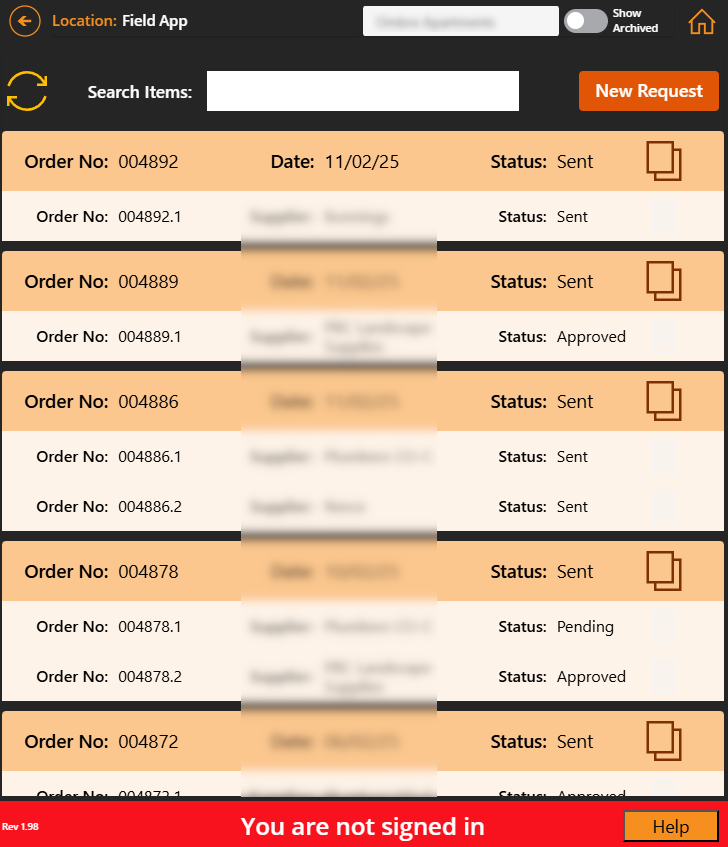
Site forms, dockets and sign-offs captured once, on a phone or tablet, and landing where they need to be with the audit trail intact.

The Friday chase

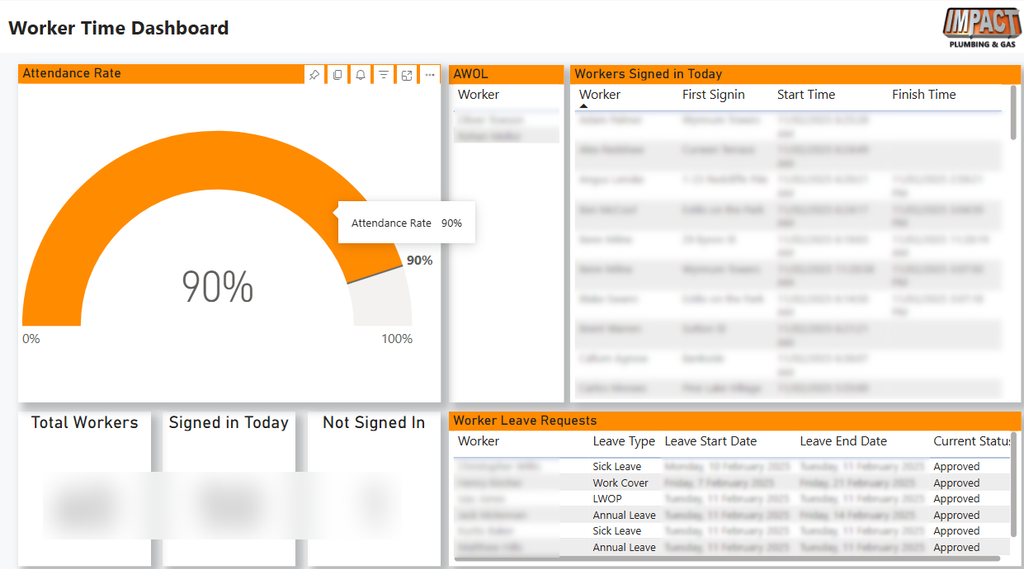
Timesheets, job updates, compliance documents. Automated reminders and escalation beat someone walking the floor.

Recurring paperwork

The same document assembled from the same sources every month, generated instead of rebuilt.

Being straight with you

Automation makes a bad process worse

This is the single most common way these projects go wrong.

If a process is unclear, automating it just means the confusion happens faster and with less opportunity to catch it. We'll often recommend fixing or simplifying the process first, and sometimes that removes the need to automate anything at all.

There's also a real cost to automating something nobody understands afterwards. If the only person who knows why a rule exists has left, that rule becomes permanent by accident.

We're deliberately conservative about what gets taken away from people. Judgement calls, anything where being wrong is expensive, and anything a customer would rather hear from a human all tend to stay manual. We wrote about deciding not to build something in the automation I didn't build.

If the thing you're considering involves AI specifically, the same judgement applies and then some. See AI adoption and advisory.

Automation work we've delivered

Real projects for Australian businesses, including what it actually took.

View all case studies →

Where to start

Pick the task your team complains about most. It's usually the right one, and the complaining is a decent proxy for how often it happens.

Related: systems integration when the steps span more than one system, and reporting and dashboards when what you actually need is to see the problem rather than remove it.

Something in your week that shouldn't be manual?

Tell us what it is and we'll tell you honestly whether it's worth automating.

Get in touch

Let’s talk about your business

Tell us what you’re working through and we’ll get back to you shortly.

Prefer email? hello@thetechyside.com.au